ACTIVE
DPHP (Dipalmitoyl Hydroxyproline)
Dipalmitoyl Hydroxyproline
A lipo-amino acid built to be absorbed: hydroxyproline, a building block of skin's own structural proteins, carried on two fatty acid chains so it settles into skin rather than resting on top of it.
Source
Hydroxyproline, an amino acid, joined to two chains of palmitic acid
Used for
Smooth, supple-feeling skin
How it works
Built to be absorbed, not layered on.
DPHP is a lipo-amino acid: hydroxyproline, one of the amino acids that make up skin's structural proteins, joined to two chains of palmitic acid. Those fatty chains are the point of it. They make the molecule oil-soluble, so it moves into skin's own lipid-rich upper layers rather than sitting on the surface.
Once it is there it works as a conditioning ingredient. Skin feels softer and smoother and looks more supple, because the ingredient settles in among the lipids that keep the surface comfortable instead of forming a film over the top of them. That is also why it is usually paired with a signal peptide such as hexapeptide-11 rather than used alone: the two are doing different jobs in the same formula.
Hydroxyproline itself is one of the signature building blocks of skin's main structural protein, appearing again and again along its tightly coiled strands. That is what makes it a sensible starting point for an ingredient meant to be absorbed rather than simply layered on.
In cosmetics it is listed as a skin conditioning ingredient, and in hair care as conditioning and antistatic. It is typically found in smoothing creams, serums and eye care, used morning or night.
-
01
Oil-soluble, so it moves into skin's lipid-rich upper layers rather than sitting on the surface
-
02
Conditions skin once absorbed, for a softer, smoother feel
-
03
Built from hydroxyproline, an amino acid found in skin's own structural proteins
Questions
What does the name mean?
It describes the molecule. Hydroxyproline is an amino acid, and "dipalmitoyl" means two chains from palmitic acid, a natural fatty acid, are attached to it. (COSMILE Europe; PubChem)
Why attach fatty acid chains to an amino acid?
Hydroxyproline on its own is a small, water-loving molecule. The two palmitic acid chains make it oil-loving, so it can be carried in the oil phase of a formula alongside plant oils and butters. (PubChem)
Is it the same as collagen?
No. Collagen is a large protein made of many thousands of amino acids, and hydroxyproline is one of the amino acids that recurs throughout it. Dipalmitoyl hydroxyproline is a single, small, modified amino acid, listed in cosmetics as a skin conditioning ingredient. (Shoulders and Raines, 2009; CosIng)
Where it comes from
Dipalmitoyl hydroxyproline is built on hydroxyproline, a ring-shaped amino acid, carrying two chains of palmitic acid, a natural fatty acid. (PubChem)
Hydroxyproline is one of the most common amino acids in skin's main structural protein, where the repeating sequence proline, hydroxyproline, glycine helps hold its triple-stranded shape together. (Shoulders and Raines, 2009)
In cosmetics it is used to condition both skin and hair. (CosIng; COSMILE Europe)
The research
- National Center for Biotechnology Information. PubChem Compound Summary for CID 170556, Dipalmitoyl Hydroxyproline ((2S,4R)-1-hexadecanoyl-4-hexadecanoyloxypyrrolidine-2-carboxylic acid, C37H69NO5) (opens in a new tab)
- COSMILE Europe (Cosmetics Europe) cosmetic ingredient database: Dipalmitoyl Hydroxyproline (ingredient based on the amino acid proline with palmitic acid as fatty acid component; functions: antistatic, hair conditioning, skin conditioning) (opens in a new tab)
- European Commission CosIng database: Dipalmitoyl Hydroxyproline, trans-1-(1-oxohexadecyl)-4-[(1-oxohexadecyl)oxy]-L-proline, CAS 41672-81-5, EC 255-490-0 (functions: antistatic, hair conditioning, skin conditioning) (opens in a new tab)
- Shoulders MD, Raines RT. Collagen structure and stability. Annual Review of Biochemistry. 2009;78:929-958. PMID: 19344236. (opens in a new tab)
- National Center for Biotechnology Information. PubChem Compound Summary for CID 5810, L-Hydroxyproline (trans-4-hydroxy-L-proline) (opens in a new tab)
- National Center for Biotechnology Information. PubChem Compound Summary for CID 985, Palmitic Acid (hexadecanoic acid, C16H32O2) (opens in a new tab)
Found In
 New
 New
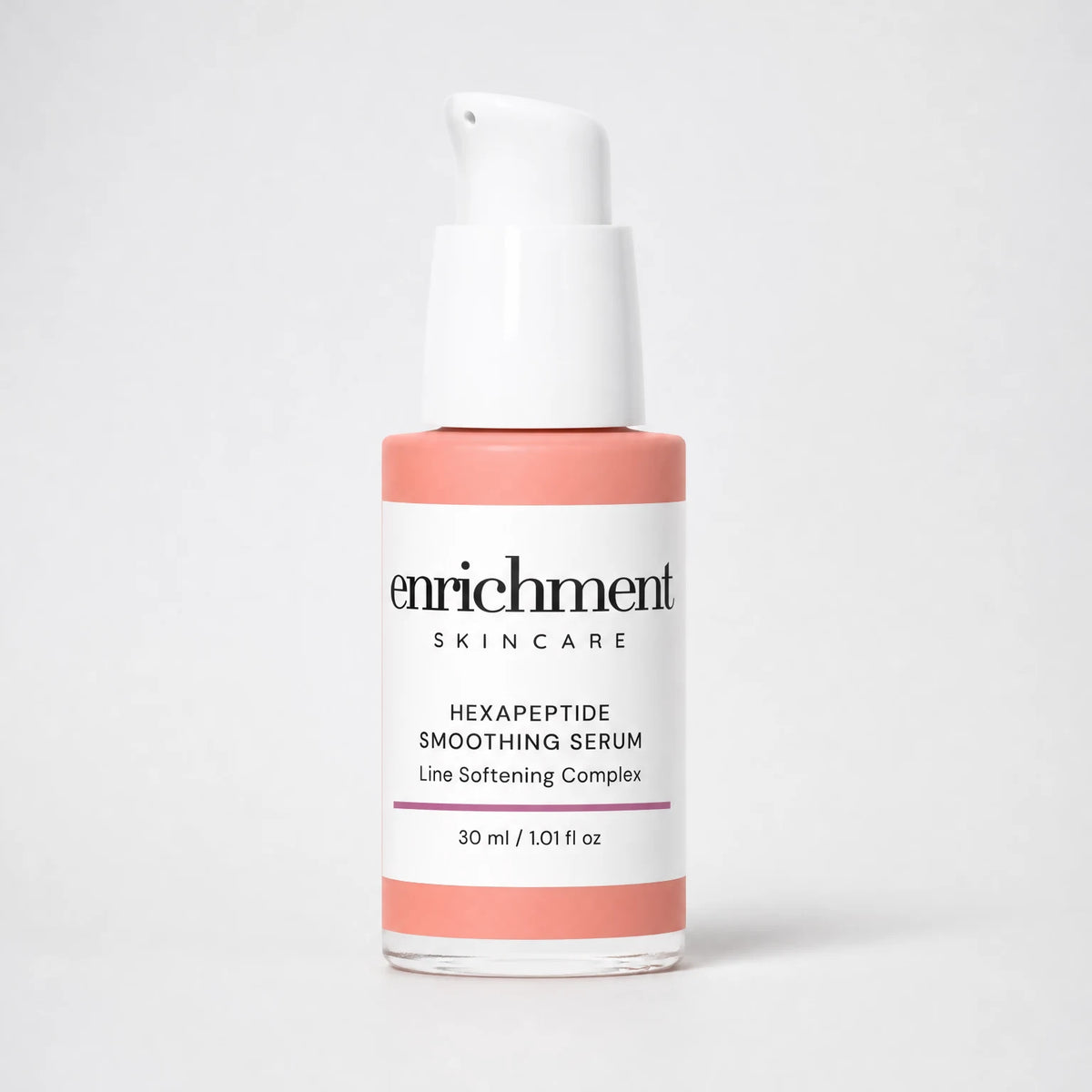


Type: Face Care
Bidens Pilosa Refining Moisturiser
50mlRegular price £38.00Sale price Regular price Bundle & Save
 Bundle & Save