


PLANT WAX
Rhus Succedanea Fruit Wax
A soft plant wax pressed from the berries of the Japanese wax tree, known for centuries as Japan wax, used to give balms and creams body and a smooth, cushioned feel.
Source
The berries of the Japanese wax tree
Best for
A soft, cushioned balm texture
When
Daily, as directed by the product
How it works
Japan wax, from the berry.
Rhus succedanea fruit wax is pressed from the small berries of the Japanese wax tree (Rhus succedanea, also classified as Toxicodendron succedaneum). It has been made in Japan and China for centuries, where it is known simply as Japan wax and has a long history in candles, wood polishes and traditional cosmetics.
Chemically it sits somewhere between a wax and a fat. Unlike the hard ester waxes it is built mostly from glycerides of palmitic acid, which gives it a lower melting point and a softer, more malleable body. That is why a formulator reaches for it when they want structure without brittleness: it thickens and holds a balm or a cream together and leaves a cushioned, smooth feel rather than a waxy drag.
It also helps keep an emulsion stable and pigments evenly dispersed, which is why it turns up in sticks and tinted formulas. We have not found a peer-reviewed study on Japan wax as a skincare ingredient in its own right, so we describe it here by its well-established role in a formula rather than a specific skin claim.
-
01
Pressed from the berries of the Japanese wax tree, known as Japan wax
-
02
Softer and more malleable than the hard ester waxes, for a cushioned feel
-
03
Gives balms, sticks and tinted formulas their body and keeps them stable
Found In


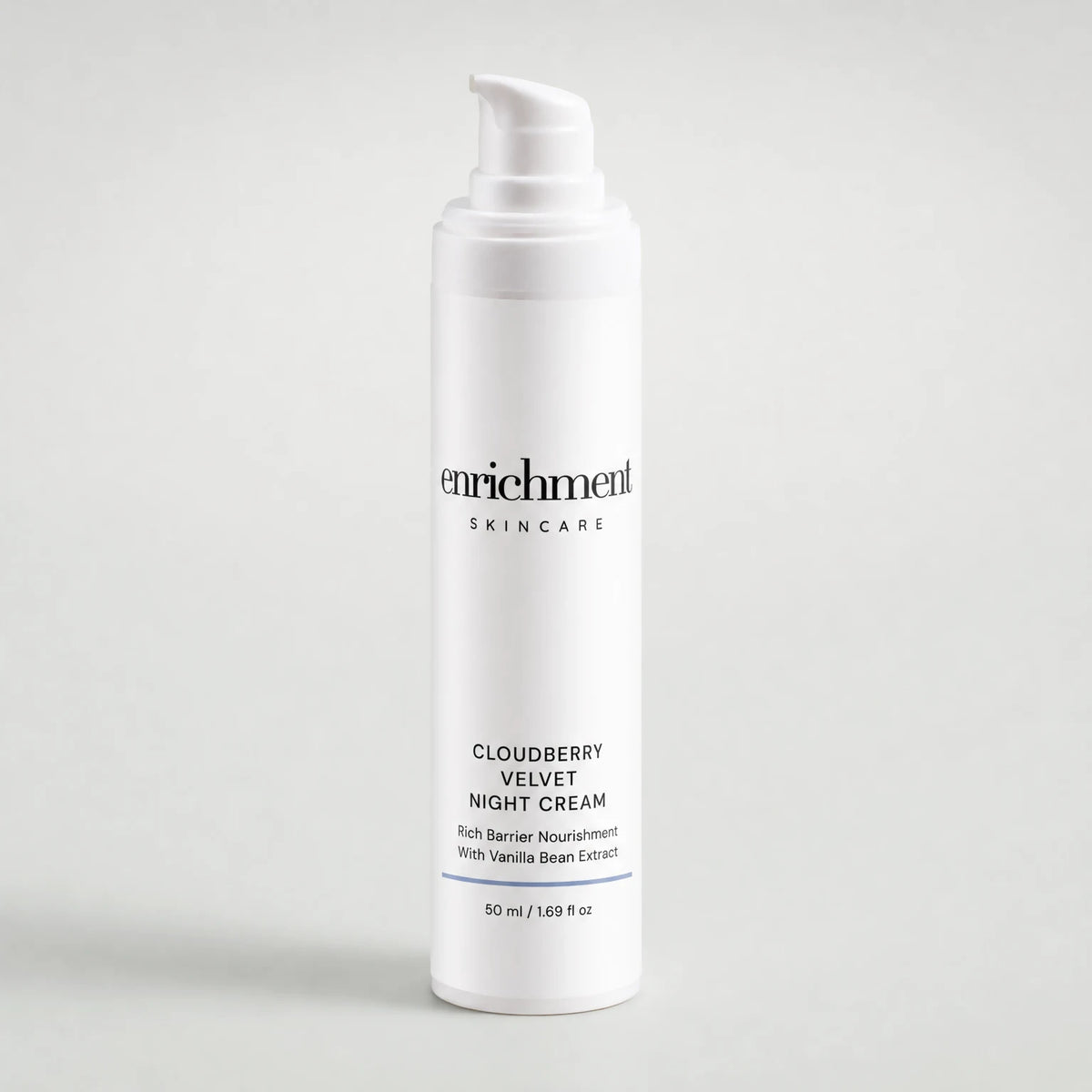
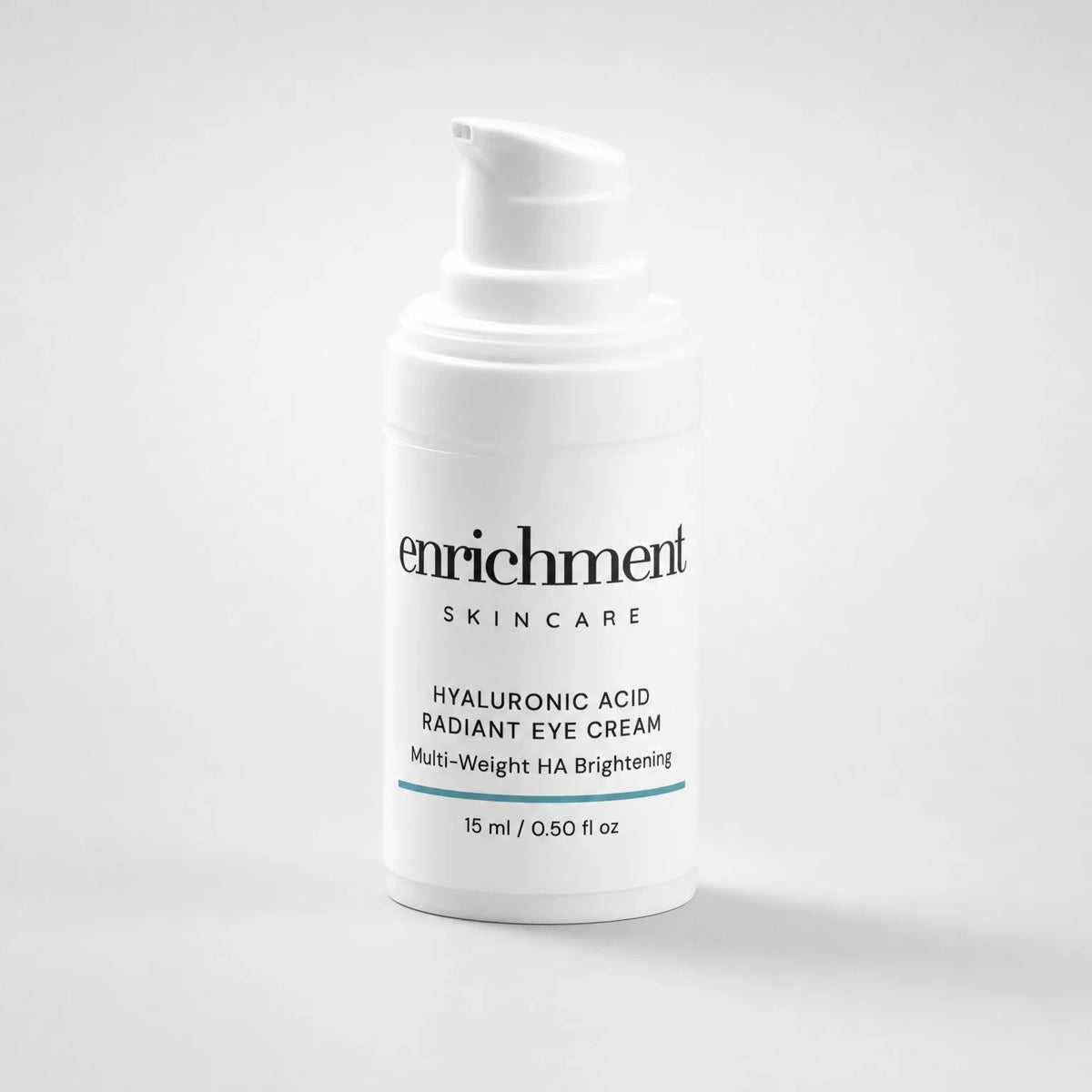
Type: Face Care
Hyaluronic Acid Radiant Eye Cream
15mlRegular price £38.00Sale price Regular price


 New
 Bundle & Save


