"Barrier damage" gets used loosely enough in skincare marketing that it's started to mean almost nothing: a catch-all reason to buy almost any moisturiser. Here's what's actually happening underneath the phrase, what genuinely causes it, and what realistic care looks like.
If your skin has started stinging when you apply something that never used to bother it, feels tight no matter how much you moisturise, or looks dull and rough despite a routine that hasn't changed, a stressed skin barrier is one of the most common explanations, though not the only one. The outermost layer of skin has one central job: keep water in and everything else out. When it's working, you don't think about it. When it's not, almost everything else in a routine stops working as well as it should.
What a "damaged barrier" actually means
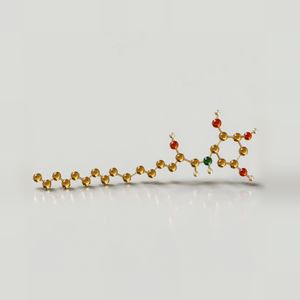
The outermost layer of skin, the stratum corneum, depends on a lipid matrix (mostly ceramides, cholesterol, and fatty acids) arranged between skin cells to stay intact and keep water from escaping. When that matrix is depleted or disrupted, water loss through the skin increases, measurably, and irritants that would normally be kept out get in more easily. That's the entire mechanism behind the tightness, stinging, and sudden sensitivity people describe. It's a structural gap, not a mysterious flare-up. Our ceramides guide goes into the lipid chemistry behind this in more depth; this article is about the fuller picture of causes and what a supportive routine looks like.
What actually causes it
A weakened barrier is rarely one single event. It's usually a combination of everyday habits that each deplete the lipid matrix faster than skin can replace it:
- Over-cleansing. Harsh surfactants, cleansing too frequently, or water that's too hot all strip lipids along with the dirt and oil they're meant to remove.
- Over-exfoliating. Acids and retinoids work partly by disrupting the same cell adhesion the barrier relies on. That's a feature of how they exfoliate, not a flaw, but stacking multiple actives or using them too often draws down lipid reserves faster than skin can replace them.
- Environmental stress. Cold, dry air, indoor heating, and wind all increase water loss through the skin and accelerate lipid depletion.
- Sun exposure. UV damage doesn't just affect pigment. It degrades barrier lipids over time, which is part of why sun-damaged skin often feels rougher and more reactive, not just more uneven in tone.
- Ageing. Ceramide production in the stratum corneum naturally declines with age, which is one reason barrier-focused ingredients become more relevant to a routine over time rather than less.
The signs worth paying attention to
A compromised barrier tends to show up as a cluster of symptoms rather than just one: skin that stings or reacts to products it previously tolerated without issue, persistent dryness that doesn't improve no matter how much moisturiser goes on, and a rough texture or dull, tired-looking complexion that doesn't match how well you think you're taking care of it. If you're noticing two or three of these together, particularly after a change in routine, weather, or a new active ingredient, the barrier is a more useful place to look than whatever product you were about to buy to fix the individual symptom.
How to support your skin barrier
The answer is less exciting than a single dramatic fix: supporting the barrier means removing what's depleting it and giving skin back some of the lipids it's short of, consistently, over weeks rather than overnight.
Simplify first. Before adding anything new, take stock of what's already in the routine. If you're using more than one exfoliating acid, a retinoid, and a physical scrub in the same week, that's very likely part of the problem, not a routine that just needs one more barrier product layered on top. Pausing actives for one to two weeks while the barrier recovers is a genuinely reasonable step, not giving up on results.
Add the lipids back. This is where plant ceramides earn their place. Plant-derived glycosphingolipids are related to the ceramides found in the skin's outer layer, which is why they're used in moisturisers designed to help skin hold on to moisture and feel soft and comfortable. In a well-made moisturiser they help skin hold on to moisture, feel softer and more supple, and look smoother and more comfortable, while supporting the barrier's natural lipid balance. Being plant-derived, they sit naturally in a plant-led routine.
Keep it simple while skin settles. Fragrance-free, minimal-ingredient formulas reduce the chance of adding new irritation on top of an already-reactive barrier, so they're worth prioritising over a formula with a longer ingredient list, however appealing, while skin is settling.
Don't skip SPF. A compromised barrier is more vulnerable to UV damage, not less, which makes daily sun protection more important during this time, not a step to deprioritise until skin "feels normal" again.
Reintroduce actives gradually. Once symptoms have genuinely settled, bring exfoliants and retinoids back one at a time, at a lower frequency than before, and watch how skin responds rather than returning straight to a previous routine's full intensity.
Where this shows up in the Enrichment range
For skin that's especially reactive or flaky right now, our Cloudberry Velvet Night Cream pairs cocoa butter and cloudberry extract in a rich formula made for dry or very dry skin that needs comforting nourishment. Once skin feels settled, our Ceramide Cocoon Night Cream, with a plant-derived complex of glycosphingolipids and glycolipids alongside shea and cocoa butter, is a rich, comforting evening moisturiser.
How dermatologists actually measure this
"Barrier damage" isn't just a feeling. It's measurable. Dermatology researchers assess barrier integrity using transepidermal water loss (TEWL), a reading of how much water vapour is escaping through the skin's surface. Higher TEWL means a leakier barrier; it's the same objective measurement used in clinical research to track how well a damaged barrier is actually recovering, rather than relying on how skin subjectively feels day to day (which is affected by plenty of things, such as weather, hydration and sleep, that have nothing to do with the barrier itself). You won't have access to a TEWL meter at home, but knowing the concept exists is useful: it's the reason dermatology research on the skin barrier can speak in specific, measured terms rather than impressions, and it's part of why "pause and reassess" is a genuinely evidence-based recommendation rather than a vague deflection.
A realistic timeline
Skin barrier recovery isn't instant. Depending on how depleted the lipid matrix is and how consistently the causes above are addressed, expect a genuine improvement to take several weeks of consistent, gentler care rather than days. If symptoms are painful, weeping, widespread, severe or persistent, or include signs of infection, that's a reason to see a doctor or dermatologist rather than relying on moisturiser alone. Dry, reactive skin can also be a sign of an underlying skin condition that needs its own diagnosis.
See the full Weakened Skin Barrier concern guide in our Skin Concern Guides →
This article is educational and doesn't replace medical advice. Persistent barrier symptoms (ongoing pain, weeping, or signs of infection) are a reason to see a dermatologist, not just switch moisturisers.
The short version
What a compromised skin barrier actually is, the everyday habits that cause it, the signs to watch for, and a realistic, step-by-step approach to supporting it.
Related ingredients