ACTIVE
Citric Acid
A naturally occurring fruit acid, produced for cosmetics by fermentation, used at low levels to bring a formula to the mildly acidic pH that suits skin.
Source
Produced by fermenting sugar
Best for
Setting a formula's pH
When
Daily, as directed by the product
How it works
Mostly there to set the pH.
In almost every formula it appears in, its job is pH. The surface of skin is mildly acidic, and cleansers, toners and creams behave best and feel best when they are brought close to that. A small amount of citric acid solution is simply how a formulator moves a batch to its target pH. It works as a chelator too, binding the trace metal ions that would otherwise shorten a product's life, which is why it so often sits near the end of an ingredients list beside the preservative.
Citric acid is also an alpha hydroxy acid, and at high concentrations it behaves like one: in a 1997 study, a 20% citric acid lotion used for three months increased viable epidermal thickness and dermal glycosaminoglycan content in sun-damaged skin. That is a far higher level than the fraction of a percent needed to set pH, so where you see citric acid low down one of our ingredients lists, read it as a pH adjuster and not as an exfoliating acid.
-
01
Brings a formula to the mildly acidic pH that suits skin
-
02
Binds trace metal ions, helping a product stay stable for longer
-
03
An alpha hydroxy acid, though at pH-adjusting levels it is not an exfoliant
Found In

 Bestseller

 Bestseller

 New
Type: Face Care
Blackberry Luminous Facial Cleanser
145mlRegular price £30.00Sale price Regular price

Type: Face Care
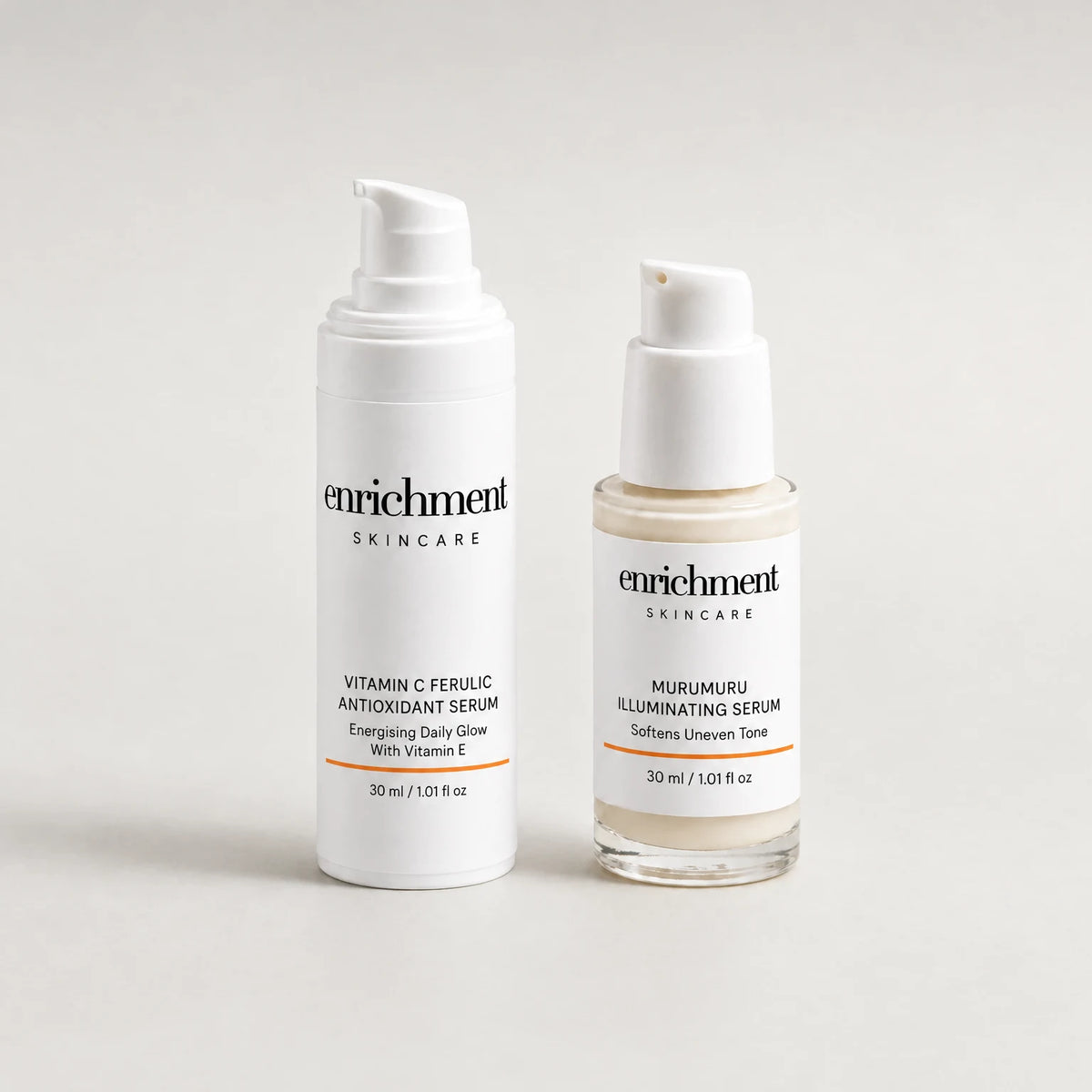
Vitamin C Ferulic Antioxidant Serum
30mlRegular price £38.00Sale price Regular price
Type: Face Care
Ginkgo Biloba Leaf Antioxidant Booster
30mlRegular price £38.00Sale price Regular price
 New
 New


Type: Face Care
Niacinamide Smoothing Eye Masks
7 pairsRegular price £28.00Sale price Regular price


 New
Type: Body Care
Patchouli Eucalyptus Roll-On Deodorant
50mlRegular price £22.00Sale price Regular price New
Type: Body Care
Lavender Eucalyptus Roll-On Deodorant
50mlRegular price £22.00Sale price Regular price
Type: Hair Care
Sea Kale Extract Purifying Shampoo
290mlRegular price £26.00Sale price Regular price
Type: Hair Care
Sea Kale Extract Cream Conditioner
290mlRegular price £28.00Sale price Regular price

Type: Body Care
Vetiver Purifying Hair & Body Wash
490mlRegular price £28.00Sale price Regular price
Type: Hair Care
Linden Flower Harmonising Scalp Shampoo
400mlRegular price £34.00Sale price Regular price New
 New

 Bundle & Save
 Bundle & Save