What follows draws on newborn skin research and published NHS and paediatric bathing guidance.
Baby skin looks like a smaller, softer version of adult skin, and it's tempting to care for it that way, with just gentler versions of the same products. It isn't the same skin, structurally, and knowing what's actually different makes it much easier to work out what a baby's bath routine genuinely needs, versus what's just marketing aimed at anxious new parents.
Baby skin is still being built
A newborn's outer skin barrier (the stratum corneum, the thin outermost layer that does most of the job of keeping water in and irritants out) is structurally different from an adult's, and it keeps developing for months after birth. Research by Stamatas and colleagues, reviewing in vivo studies of infant skin, found the barrier shows significantly higher transepidermal water loss in infants up to 12 months old compared with adults, alongside a surface pH that starts close to neutral at birth rather than the more acidic pH adult skin maintains (Stamatas et al., 2011). That more neutral pH matters because skin's acidity is part of what keeps its protective lipid structure intact and limits the activity of enzymes that can otherwise damage the barrier. So for the first year of life, a baby's skin is doing that job with less natural protection than it will have later.
Practically, this means baby skin is more easily irritated by exactly the things adult skin often tolerates without noticing: fragrance, harsh surfactants, and products formulated for a different, more acidic pH than a baby's skin is working with.
What that means for bath time
This is the background to clinical bathing guidance for newborns, which is more conservative than most parents expect. The NHS Greater Glasgow and Clyde guideline says it is reasonable to bathe well, term babies on alternate days, and to use plain tap water for the first four weeks of life. After that, it says bathing products can be introduced gradually, and should be free from colours and perfumes, have a neutral pH and be used sparingly. The American Academy of Pediatrics adds that three baths a week during a baby's first year may be enough, and advises using soap sparingly and only mild, neutral-pH soaps without additives.
None of this is about being precious, and it fits what's known about how baby skin develops. A baby who's bathed daily with a heavily fragranced, higher-pH wash is being cleaned effectively, but may be losing more from a barrier that has less natural reserve than an adult's.
What's actually worth checking on a label
Given the above, a handful of things are worth looking for, rather than trusting marketing language like "gentle" or "natural" on their own:
- Fragrance-free, not just "lightly scented." The NHS Greater Glasgow and Clyde guideline advises baby bathing products that are free from colours and perfumes.
- A neutral pH, which is what the same guideline advises for baby bathing products. Labels rarely state pH, so check the brand's product information.
- "Tear-free" for anything used near the face or scalp. This describes how a product affects the eyes. It doesn't tell you how gentle it is on the skin overall, so the rest of the label still matters.
- A short, recognisable ingredient list. This isn't a rule that fewer ingredients is always better, but a very long list of actives and fragrance components is rarely necessary for a product whose only job is a gentle wash.
After the bath: moisturising
For most babies with no particular skin concerns, a bath doesn't need to be followed by anything beyond drying off, but if your baby's skin is dry, an unperfumed moisturiser (an emollient) is the usual starting point, and bathing frequency and moisturising frequency don't need to match. If your baby has eczema or very dry skin, ask your GP, doctor or health visitor which emollient and routine they recommend rather than choosing one yourself.
What about sun protection?
Worth knowing even though it's outside the bath: the American Academy of Dermatology advises keeping babies younger than six months in the shade as much as possible, for example under an umbrella, canopy or pushchair hood, dressing them in lightweight, long-sleeved sun-protective clothing and a wide-brimmed hat, and minimising sunscreen at that age. If shade and adequate clothing aren't available, it says a minimal amount of broad-spectrum, water-resistant sunscreen with an SPF of at least 30 can be applied. The NHS gives the same advice for families in the UK: keep babies under six months out of direct strong sunlight, and from six months use at least SPF30 alongside shade and clothing.
Water temperature and bath length
The American Academy of Pediatrics advises water that feels warm, not hot, to the inside of your wrist or elbow. For newborns, the NHS Greater Glasgow and Clyde guideline gives a water temperature of approximately 37–38 degrees and says a baby should not be in the water for more than approximately 5–6 minutes.
Hair and scalp
A baby's scalp doesn't need special attention at every bath. Cradle cap, the common flaky, slightly greasy patches that can appear on a baby's scalp in the first few months, is harmless and, according to the American Academy of Dermatology, goes away on its own after a few months. If you want to help, it suggests washing with a fragrance-free baby shampoo and gently massaging away the scale, using a soft baby brush or comb during the bath, and, for more stuck-on scale, applying a non-food-based oil such as baby oil before bathing to soften it. It advises never scratching or picking at cradle cap, because this could cause an infection.
When this needs more than a gentler product
Persistent redness, a rash that doesn't settle, cracked or weeping skin, or anything that looks like it might be infected are reasons to speak to a GP, doctor or health visitor, not reasons to try a different wash. Skincare, for babies as much as adults, supports healthy skin and comfortable bath time; it isn't a substitute for medical advice on a diagnosed skin condition like eczema or dermatitis, and switching products repeatedly in search of a fix for something that needs medical input tends to just add more variables rather than fewer.
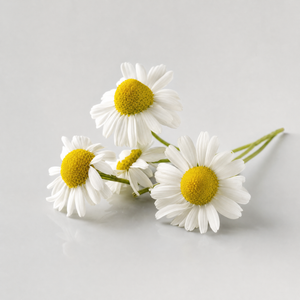
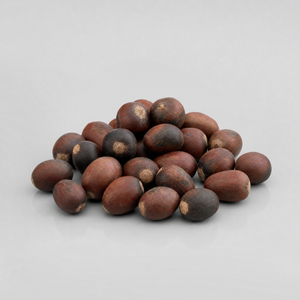
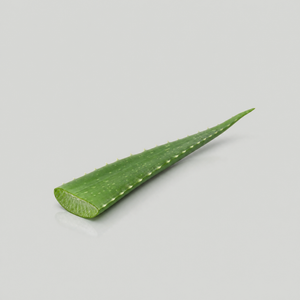
If you're choosing a baby wash, our Delicate Baby Foaming Wash is the one we'd suggest for bath time: a soft, soap-free foam made with organic aloe, camomile and linseed extracts. Check the product page for the full ingredient list, and speak to your health visitor if you're unsure.
Sources
- Stamatas GN, Nikolovski J, Mack MC, Kollias N. "Infant skin physiology and development during the first years of life: a review of recent findings based on in vivo studies." International Journal of Cosmetic Science, 2011; 33(1): 17–24.
- NHS Greater Glasgow and Clyde. "Bathing Newborn Infants" (paediatric clinical guideline), clinicalguidelines.scot.nhs.uk.
- American Academy of Dermatology. "Infant sun protection: How parents can keep their baby safe," aad.org.
- NHS. "Sunscreen and sun safety," nhs.uk.
- Navsaria D (American Academy of Pediatrics). "Bathing Your Baby," HealthyChildren.org.
- American Academy of Dermatology. "How to treat cradle cap," aad.org.
This isn't medical advice. Speak to a GP, doctor or health visitor about persistent rashes, signs of infection, or any concern about your baby's skin.
The short version
Baby skin is structurally different from adult skin. Here's what newborn skin research and published bathing guidance say, not a product pitch.
Related ingredients