This is a routine guide, not a hormonal one. If the hormonal side of this life stage is what actually brought you here, our perimenopause and menopause guides go into that specifically. This one is about adapting a routine generally, whatever's actually driving the change for you.
By your 40s and 50s, several things tend to be happening in skin at once: cumulative sun exposure from decades earlier is now visible as texture and pigmentation, skin's natural shedding of surface cells has been slowing gradually since your twenties, and, for many people, the hormonal transition of perimenopause and menopause overlaps with all of it. None of that is a problem to fix. It's just a different set of things for a routine to account for than it did fifteen years ago, and worth adapting to deliberately rather than either ignoring or panicking about.

Why slower surface shedding actually matters
Skin renews itself constantly: new cells form in the deepest layer of the epidermis and gradually migrate to the surface, where older cells shed away. In younger skin this cycle is relatively brisk; as skin ages, the rate of new cell production slows and the same journey to the surface takes measurably longer. The practical result is what most people describe as dullness: not a lack of glow so much as a slightly longer-than-ideal layer of older surface cells sitting on top of fresher skin underneath, since shedding hasn't kept pace with renewal. It's also part of why textural changes become more noticeable: skin has less frequently "refreshed" surface to show. This is precisely why a gentle exfoliation step becomes more useful at this stage rather than less, and why we don't present it as optional further down this page.
Barrier first
A weaker or drier barrier makes everything else in a routine less comfortable and less effective, so it's worth addressing before adding anything more ambitious. Our Ceramide Cocoon Night Cream uses a plant-derived complex of glycosphingolipids and glycolipids, the lipid family ceramides belong to, alongside sodium hyaluronate. See our ceramides guide for the full mechanism.
A plant-derived retinol alternative
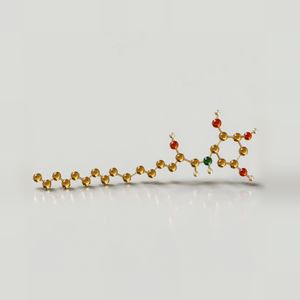
If retinol has never agreed with your skin, bakuchiol is a plant-derived alternative some people prefer. In one 12-week study of specific 0.5% creams it was better tolerated than retinol, but it can still irritate some people, and that study doesn't tell us how any individual product will feel on your skin, so introduce it cautiously and follow the product directions. Our Bakuchiol Refining Oil Serum is built around bakuchiol alongside jojoba, rosehip, evening primrose, and berry seed oils. Our bakuchiol vs retinol comparison goes through the real evidence on both, including where the research on bakuchiol is genuinely still developing.
Smoother-looking skin
Our Hexapeptide Smoothing Serum pairs a peptide, Hexapeptide-11, with multi-weight hyaluronic acid in a silky serum that leaves skin feeling supple and helps texture look smoother. Our peptides article explains what the research on peptides does and doesn't show.
Texture and dullness
As surface shedding slows, a gentle chemical exfoliant becomes more useful, not less. Our Brightening Glycolic Acid Toner contains 5% glycolic acid. Start every other day rather than daily if you haven't used an AHA regularly before, and always follow morning use with SPF, since AHAs like glycolic acid can increase sun sensitivity. Our glycolic acid guide covers how to introduce it without over-exfoliating.
Daily SPF, still non-negotiable
The American Academy of Dermatology's own guidance for skin at this life stage leads with the same point our SPF myths guide makes in more detail: broad-spectrum daily SPF is the single most evidence-backed step in any routine, at any age, and its value doesn't diminish as skin changes. If anything, cumulative sun exposure is more visible by now, which makes protecting against more of it more useful, not less. Our Sun Protect Tinted Fluid SPF30 is the one we'd point to for daily wear.
How it fits together, and how to introduce it without overwhelming your skin
You don't need to add all of this at once, and we'd actively discourage it. A reasonable sequence is barrier support first (a few weeks on the ceramide night cream alone is a fine place to start), then bakuchiol or glycolic acid, introduced one at a time and on its own, so you can tell what's causing what if your skin reacts. Once your barrier and that next step are settled, the peptide serum layers in easily since hyaluronic acid rarely causes irritation on its own. A simple morning shape looks like: cleanse, peptide serum, SPF. Evenings: cleanse, then glycolic toner or bakuchiol serum on alternate nights, finishing with the ceramide night cream. If you want the fuller logic behind why order matters at all, our morning routine guide and evening routine guide cover the general principle in more depth.
One more thing worth saying plainly: skin at this stage can become more reactive to new products than it was in your twenties or thirties, simply because a compromised barrier reacts to everything more than a healthy one does. If you're introducing more than one new active, patch test each individually and space out introductions by a week or two rather than starting everything the same night. It's slower, but it means you'll actually know what's working, and what isn't agreeing with you.
Why we don't call any of this "anti-ageing"
You'll notice none of the language above promises to fix, reverse, or erase anything. That's deliberate, not an accident of phrasing. We've written a full explanation of why in Why We Don't Say "Anti-Ageing", and it applies to everything on this page.
Sources
This isn't medical advice. See your GP, doctor or a dermatologist about new, persistent or severe skin changes.
The short version
How to adapt a skincare routine through your 40s and 50s: barrier support, a plant-derived retinol alternative, realistic expectations on firmness, and daily SPF, without anti-ageing framing.
Related ingredients